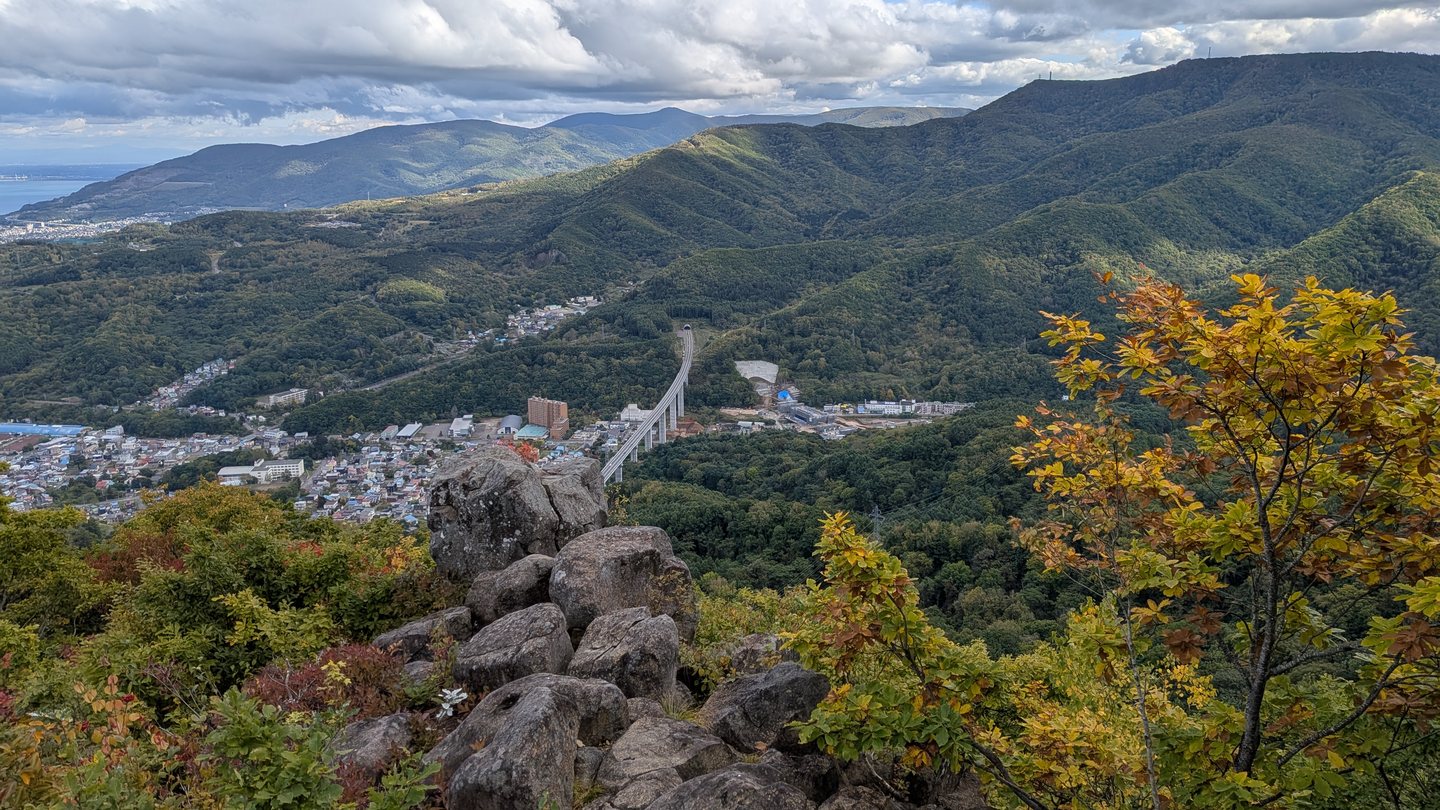
We're making progress. We've signed the contract on our house in Otaru, but handover isn't until mid-December, and we won't be back in Japan until March. In the meantime we're spending a few weeks in an Airbnb in town, getting to know the place we're about to call home for half of every year.
This is a catch-up post: where the house stands, the one thing we're thinking about most (snow), and what daily life has been like so far, from groceries to buses to bars.
On this page 10 sections
Where the House Stands
The contract is signed, and the handover is scheduled for mid-December. The house will be turned over with the water shut off and the pipes drained, which is standard practice for an empty home in a place that freezes. It's heated by boilers with radiant heat, and we've arranged for the heat to be left on, turned low, so the house stays above freezing while we're away.
We'd love to come back sooner than March, but we already have plans that make an earlier return difficult. We have a couple more cruises booked to finish out the year, and we'll spend most of the winter in Panama. Watch for posts about that.
Snow Is the Big Question
Otaru gets a lot of snow, somewhere around 5.5 meters (about 18 feet) in an average season, and more up in the hills. That's the figure to plan around, and it's the part of owning a house here that we think about most.
There are two separate problems: the road and the roof.
The road. The house sits on a small private road off the main public road, and the neighbors share the responsibility for clearing it. We can't skip it. If we didn't clear our part, we'd block access to two other houses on the street. Our real estate company helped us write some introductory notes to the neighbors, and we found one who's happy to trade snow clearing for the use of one of our garages. As luck would have it, the house has several garages and we won't use them all. We'll also have a backup clearing company lined up, but so far this looks good.
The roof. The house has a flat roof with a snow-melting drain in the middle. The owner says that when the house is occupied, with the heat on and warming its way up to the roof, the roof rarely needs clearing by hand. So in a normal year our worry is mostly the road. This year is different, because the house won't be heated much while it sits empty, so we've made plans just in case.
We'll report back on how all of this works once we've seen a real Otaru winter.
Eating Our Way Around Otaru
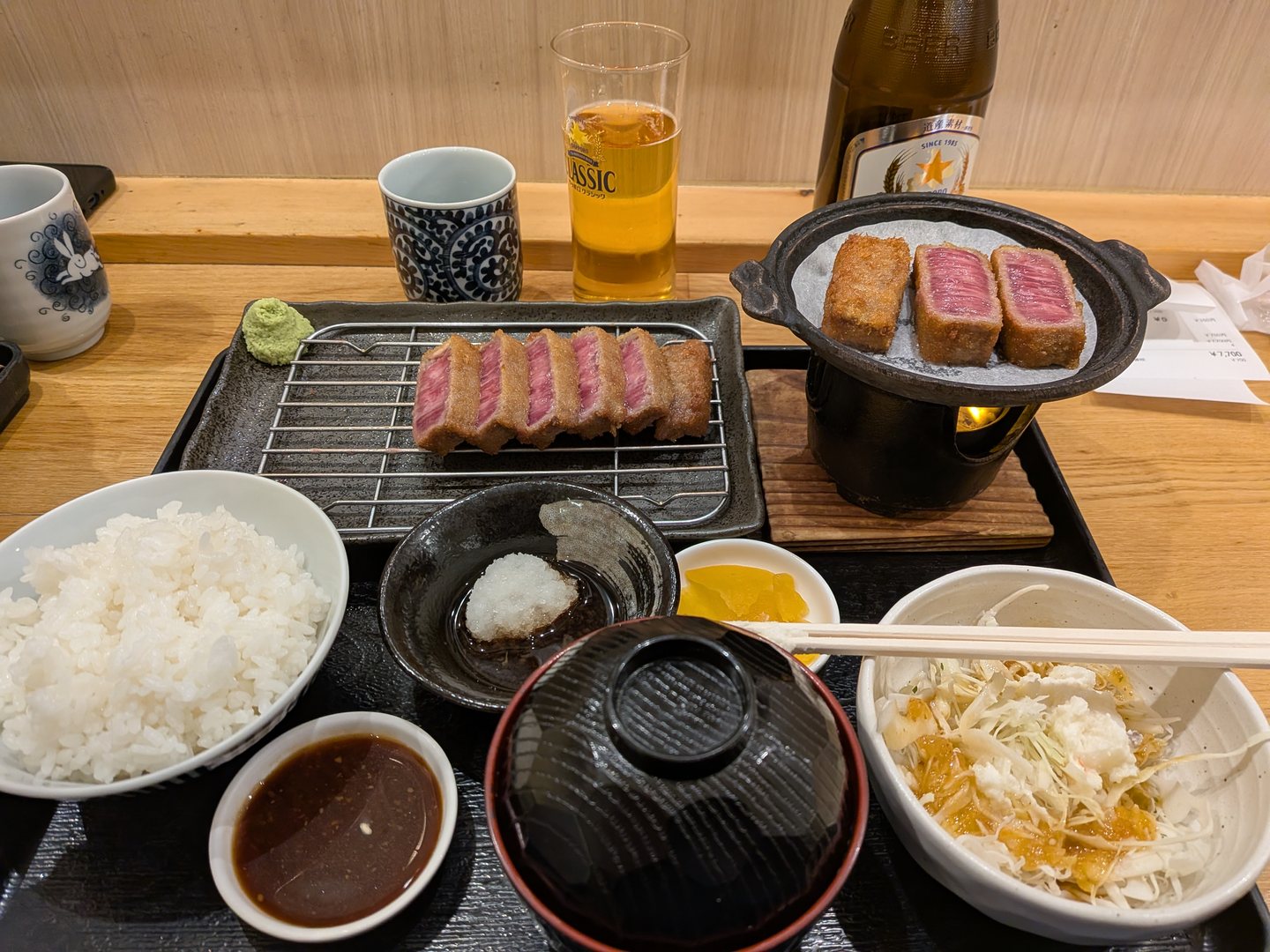
Finding restaurants and discovering places yourself is half the fun, so we won't make too many recommendations. But for the record, we've found some izakaya and yakiniku places we like, and a good Indian restaurant near our Airbnb.
What we do miss is Mexican food, which is really hard to find in Otaru. So we've started making our own. Tortillas turn out to be easy by hand, and we found something close enough to cilantro to make pico de gallo. Ground beef is another surprise. You'll find ground pork, and ground pork mixed with Australian beef, but not straight ground beef. The Aeon grocery section in the Wing Bay mall has a much bigger selection, and it sells tortillas, but it's harder to reach from our Airbnb. Once we have a car next spring, that will probably become our regular grocery store.
Eating Out Is Cheap, Too
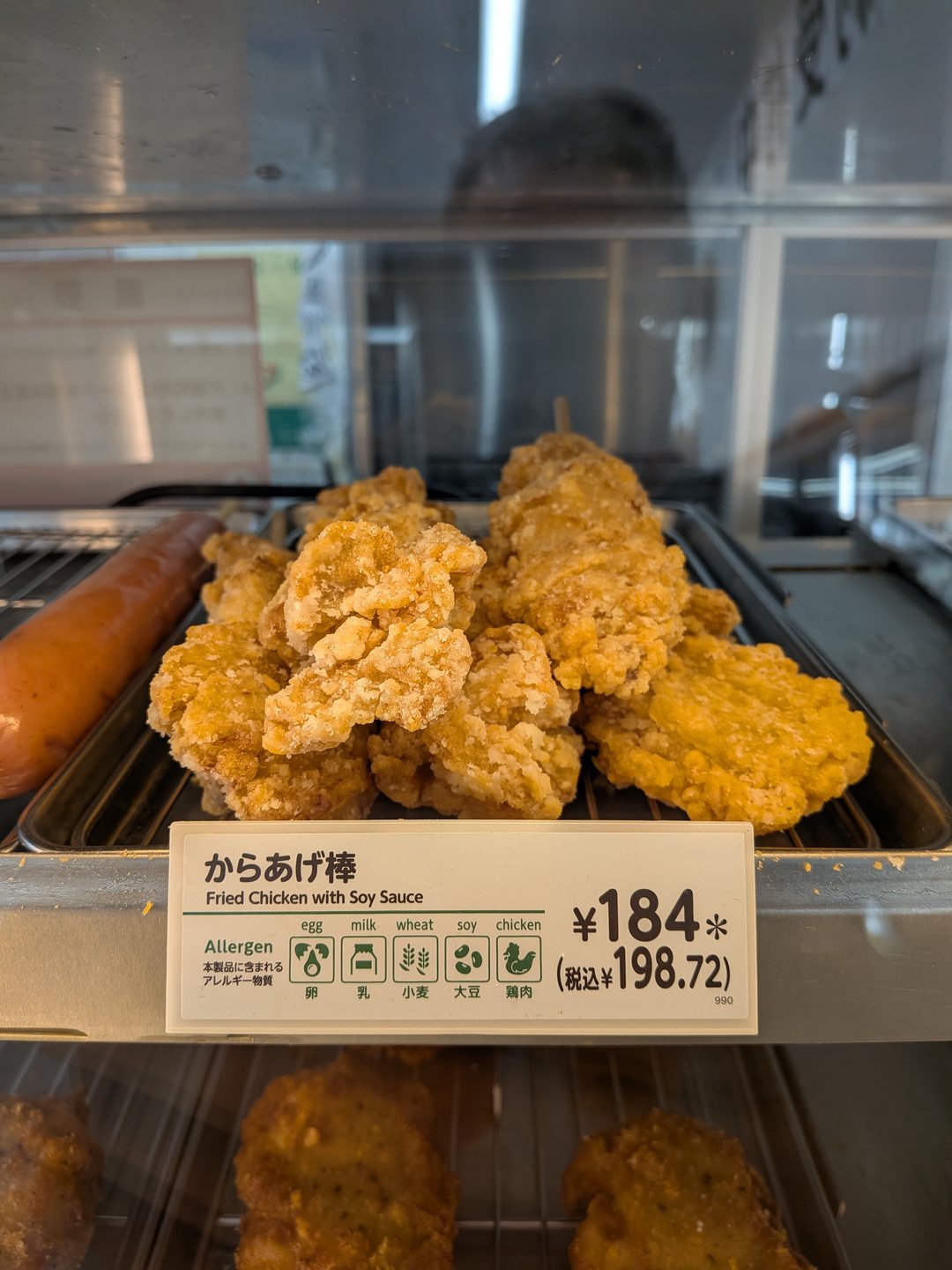
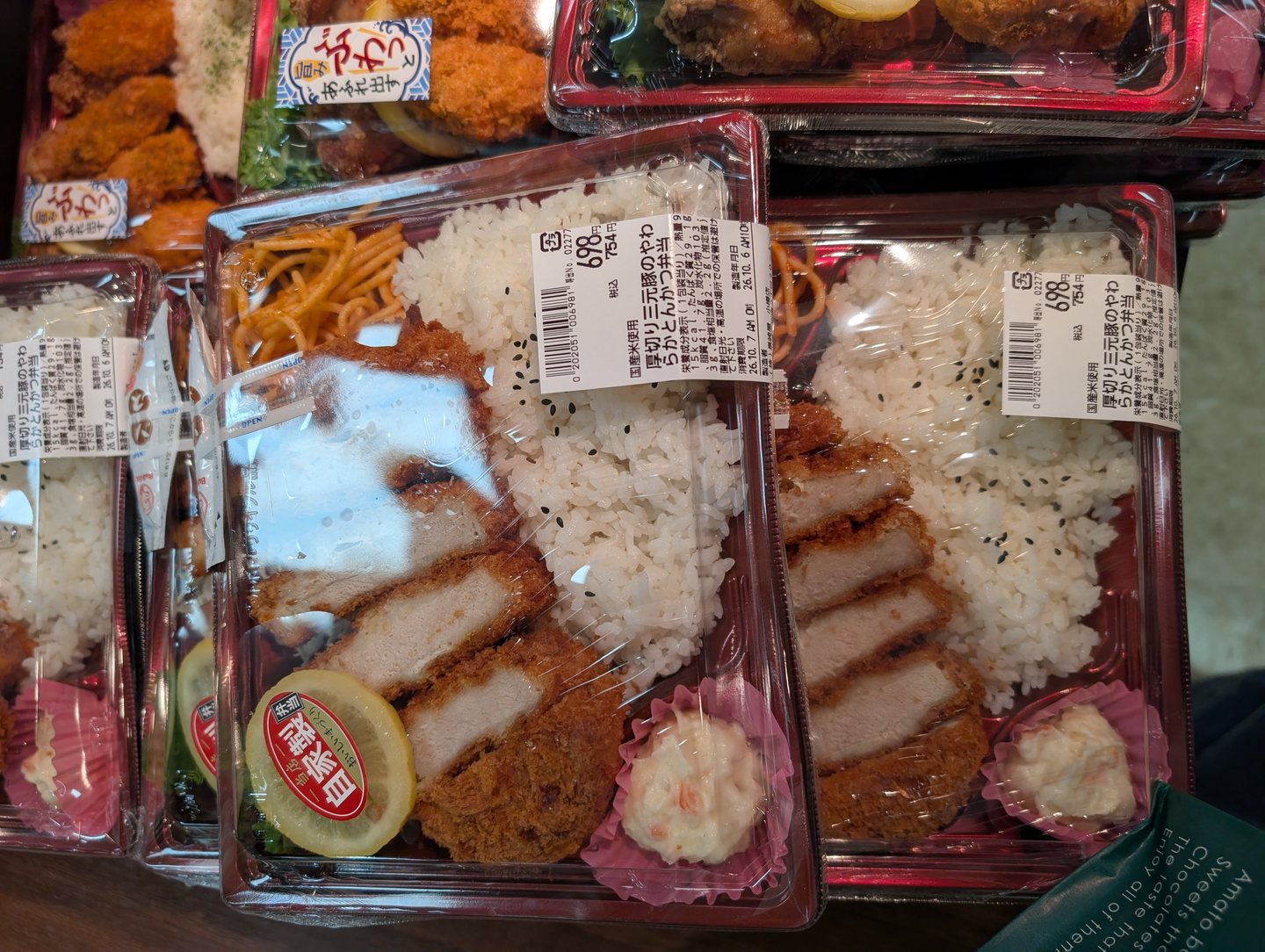
Food in general, both at the grocery store and out in town, has been quite affordable. After spending the spring and summer in Europe, it feels inexpensive. The supermarket deli counters are a good example: hot karaage, cutlet bento boxes and plenty of ready-made meals at prices that make cooking at home optional.
If you're craving something familiar, we found two places with good pizza. Both are wood-fired with scratch-made dough. The menus are small, so check that they work for you before you go:
- Very Very Strawberry (Italian restaurant)
- The COAST Pizzeria&Bar
And convenience stores are basically in every neighborhood, so there's never a problem finding something quick, any hour of the day or night.
The Bars
We've visited several bars over the past few weeks, and it's been a great experience. They're much smaller than the average bar in the US, but they have more character, and the whole thing feels more personal.
Getting Around: Buses Beat the Train
I'd planned to take the train back and forth between Otaru and Sapporo, but once we discovered the intercity bus, we started to prefer it. Buses here are punctual, clean and quiet, as you'd expect in Japan. They run frequently and cost less than the train, which makes them a great option.
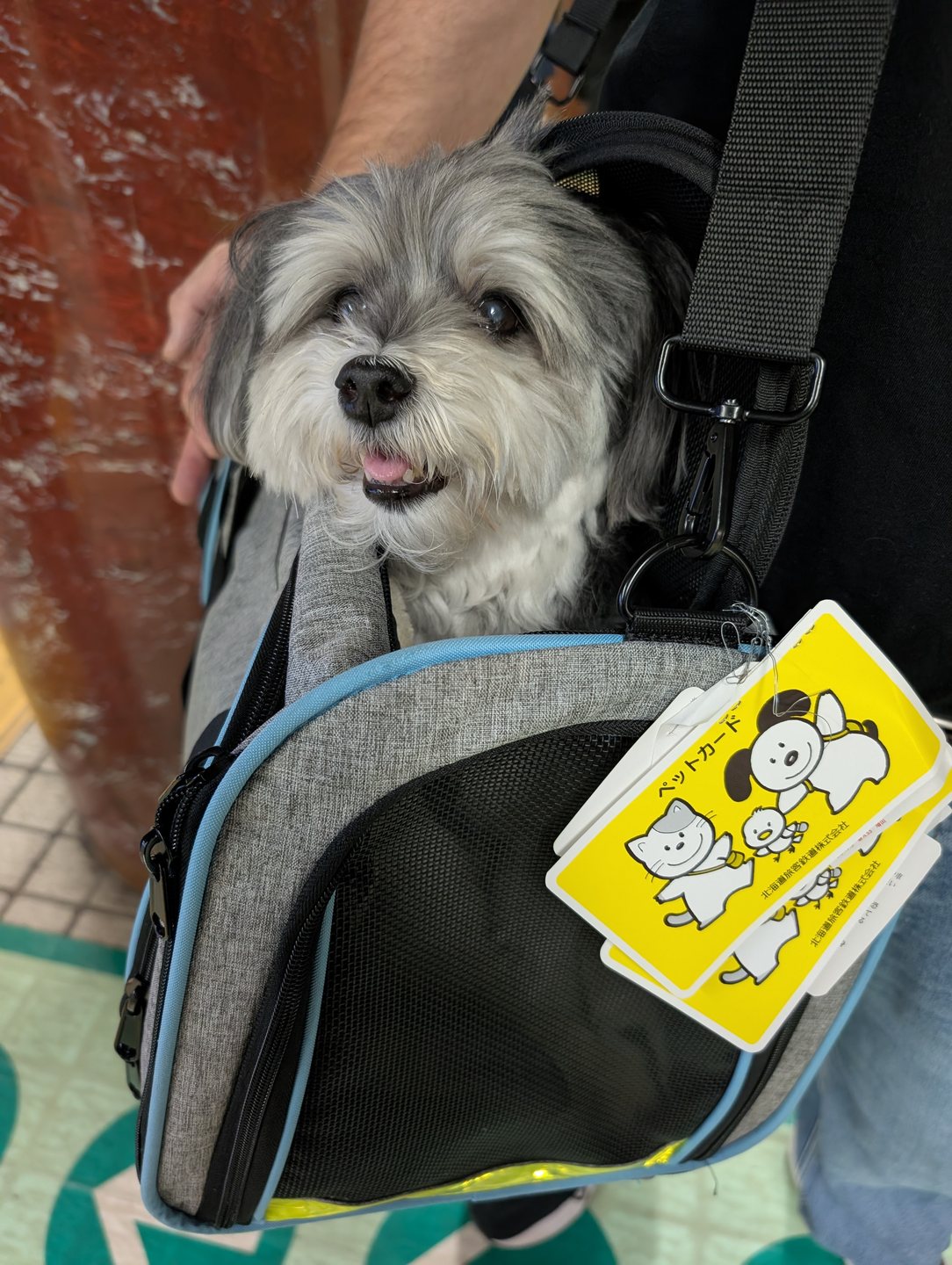
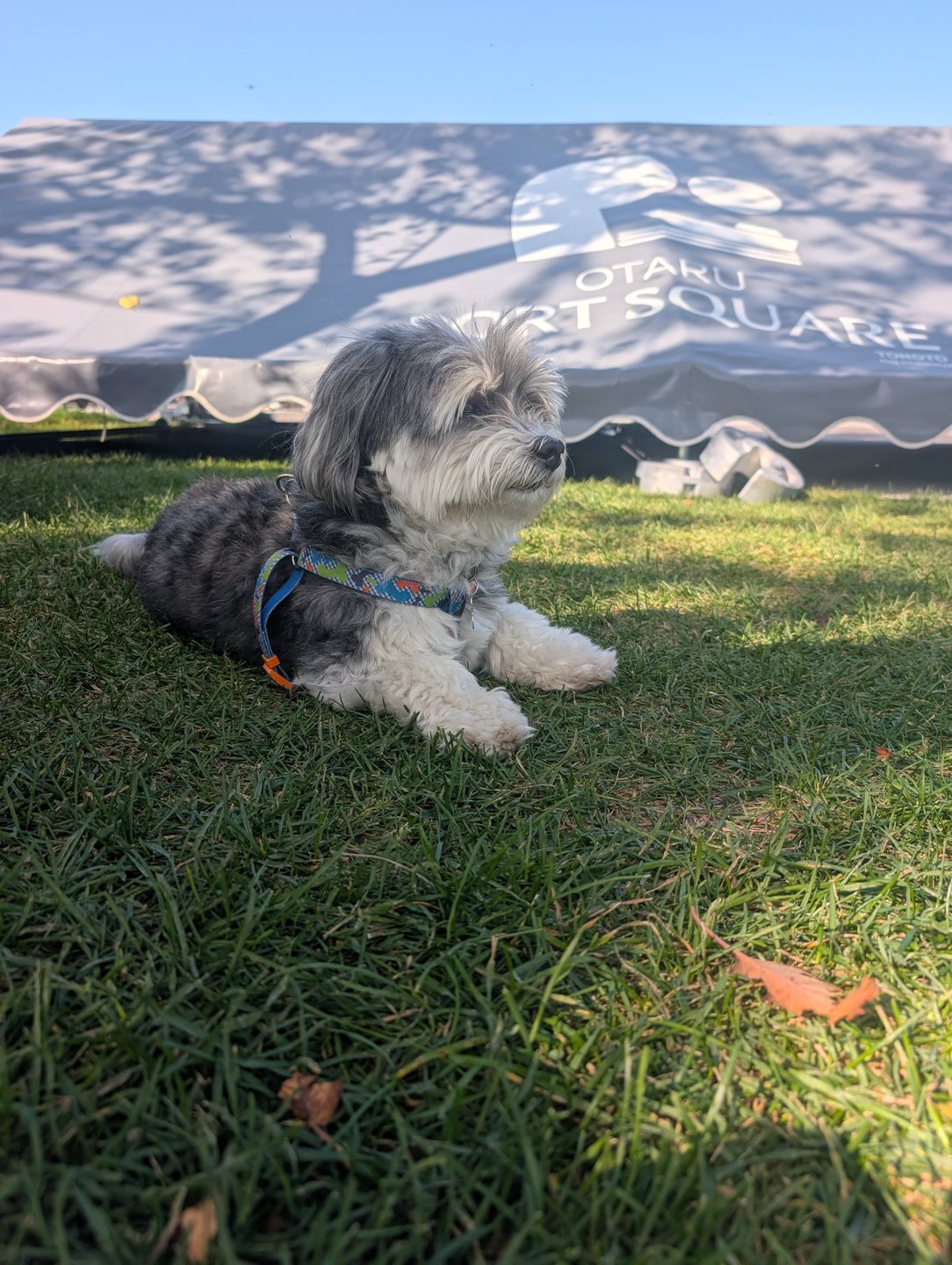
There's one catch if you're traveling with a dog, as we are. Our dog Liam can't ride the intercity buses, only the local ones, and dogs have to be fully enclosed in a carrier. If you're traveling with a larger dog, you may need to rent a car to get around.
On the train, a dog in a carrier counts as hand luggage, and you pay for it. You buy the hand luggage ticket at the ticket window, not at the machines, and the staff give you a yellow pet card to attach to the carrier. (Liam's carrier is no longer sold, so we've listed the newer model we'd buy to replace it on our Gear page.)
Exploring: Tenguyama, the Canal and the Port
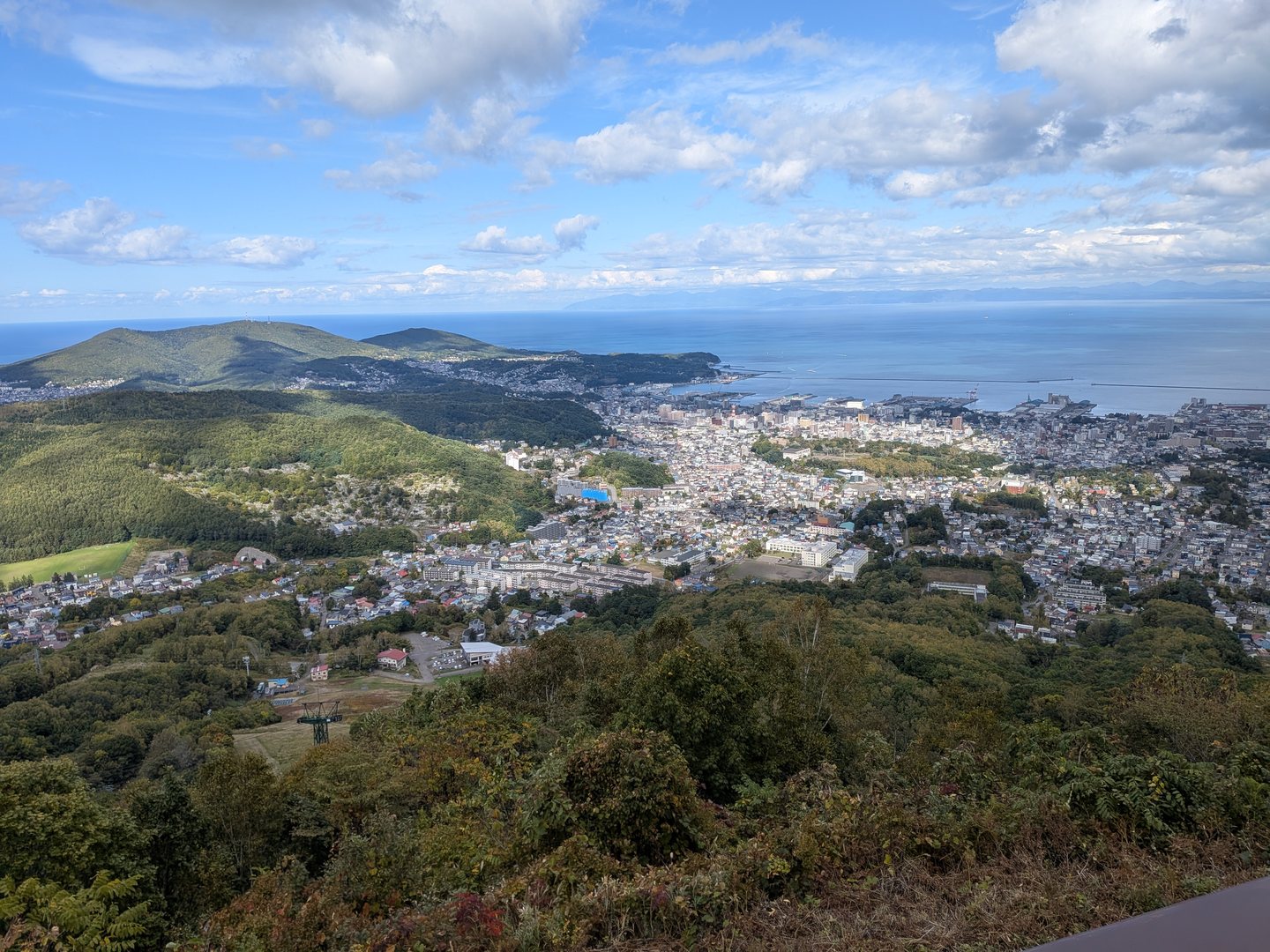
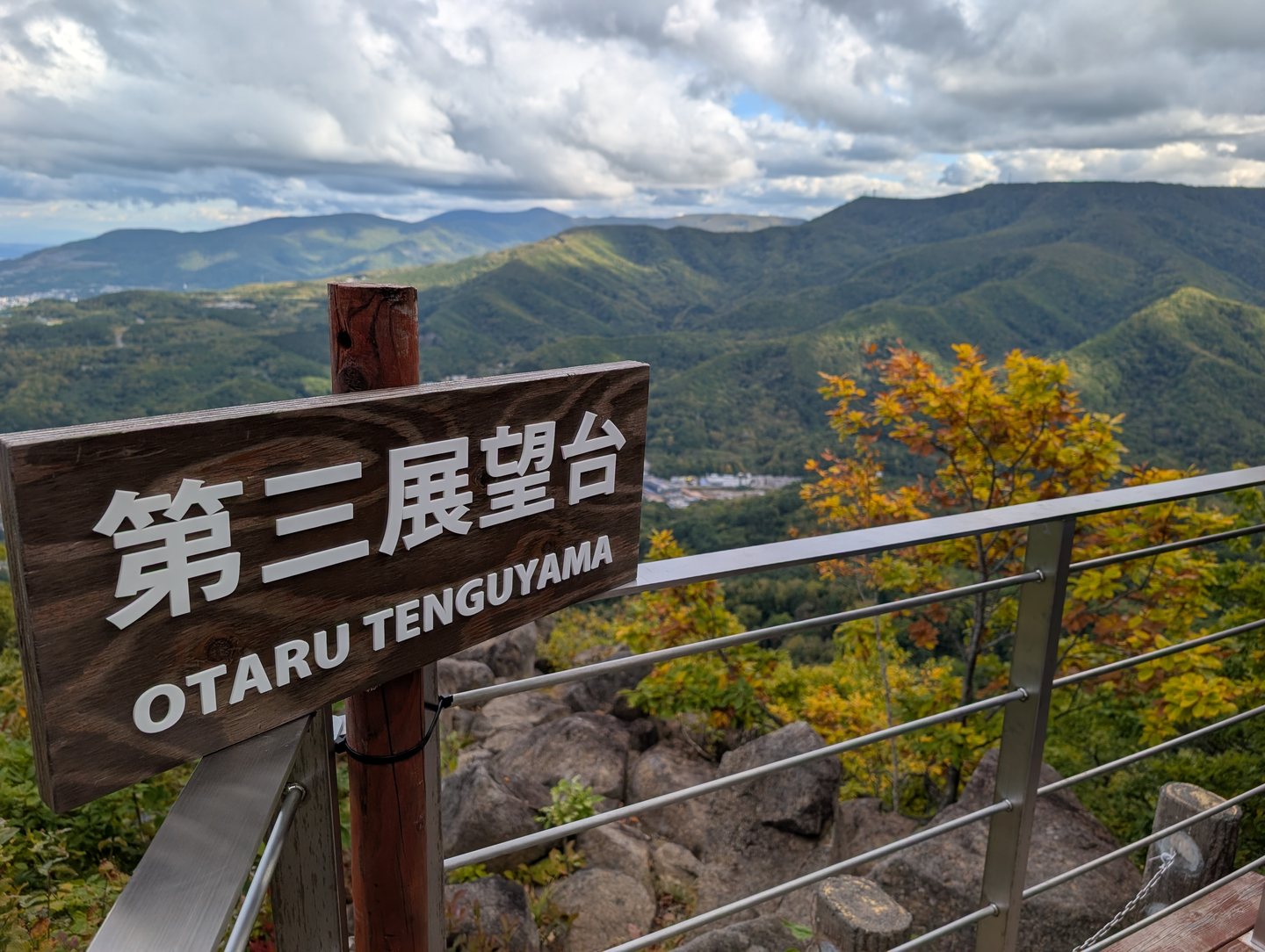
The weather has been inconsistent, with a lot of drizzly and rainy days mixed in with some lovely sunny ones. That's turned out to be a fine rhythm. We've had plenty of time to work on projects and rest between the sunny sightseeing days, and we've saved the clear days for the views.
The canal and the cruise port are clearly a major focus of tourism here in the summer and fall, and both were busy. There isn't a lot of grass or garden space, but the area is well maintained and, as usual in Japan, very clean.
One thing surprised us: a lot of the public spaces and parks aren't mowed or manicured much, and some looked overgrown. That might just be the time of year, so we'll see how they look next year.
Fall Colors: Plan for Late October
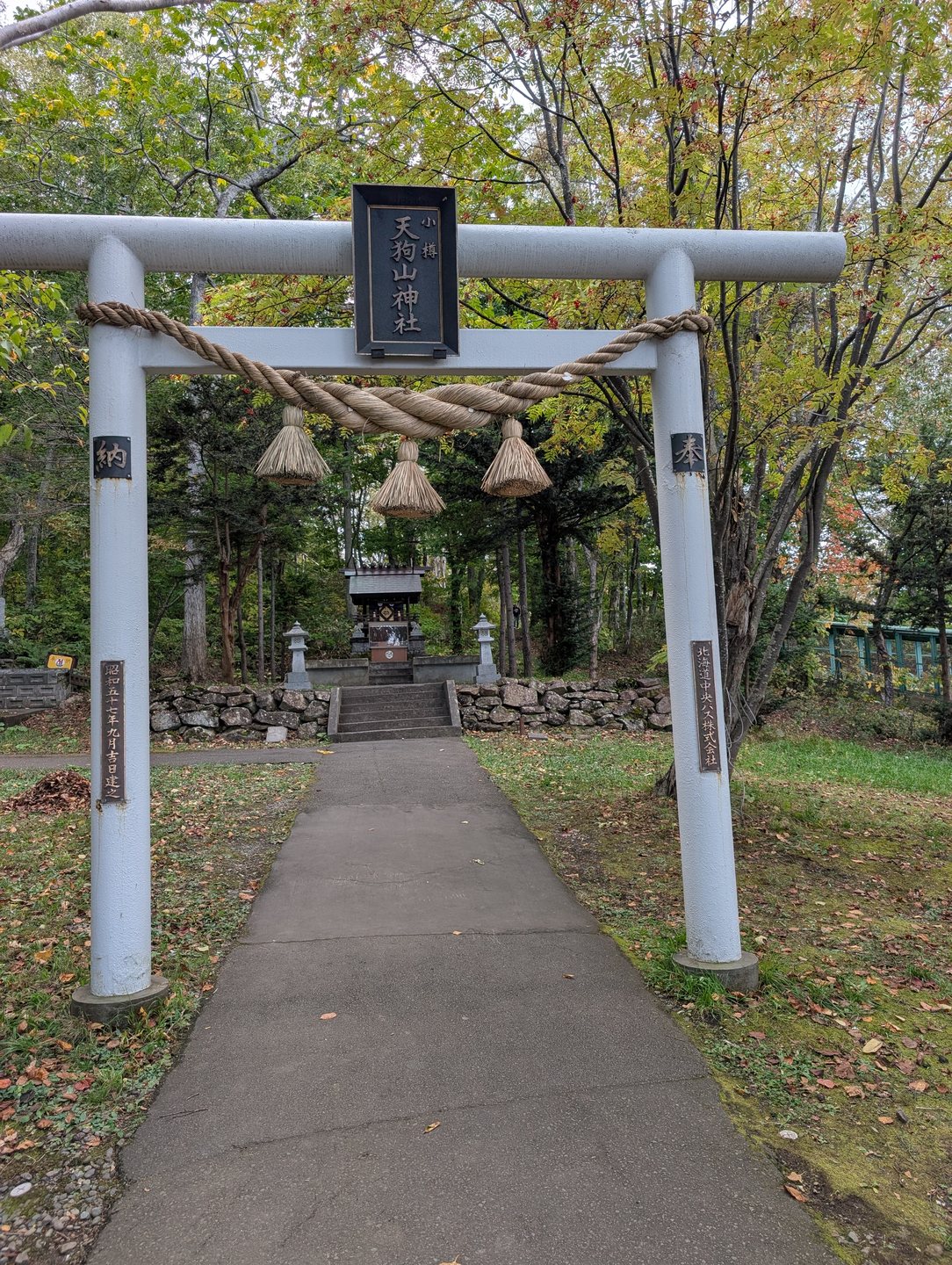
It looks like we may miss the peak of the fall colors. If you're planning a trip around them, aim for late October into early November. Nihon Local's leaf-watching guide is a great resource, and the site also collects a lot of local events in the area.
The People
People have been very friendly and understanding as we try out our newly learned phrases. (If you'd like to learn them too, our guide to the 30 Japanese phrases that get you through restaurants and convenience stores is a good place to start.) Liam is also very popular with older Japanese women, who like to stop and wave at him.
What's Next
We have about a week left on this trip. A road trip to Niseko and Lake Toya is still on the list. After that we have a couple more cruises to finish out the year, then most of the winter in Panama, before we're back in Otaru in March, with the keys to a house and, hopefully, a plan for the snow.
We'll share more updates as time allows. If you have questions about any of this, or tips for an Otaru winter, email us at info@theengineeredescape.com. We read every message.