
On this page 8 sections
In short
We arrive at our property in Hokkaido in early March 2027, and for the next year and a half we move between Japan and the rest of Asia on ordinary tourist entries. No special visas, just a few quick online forms. It works because we follow each country's day limits carefully.
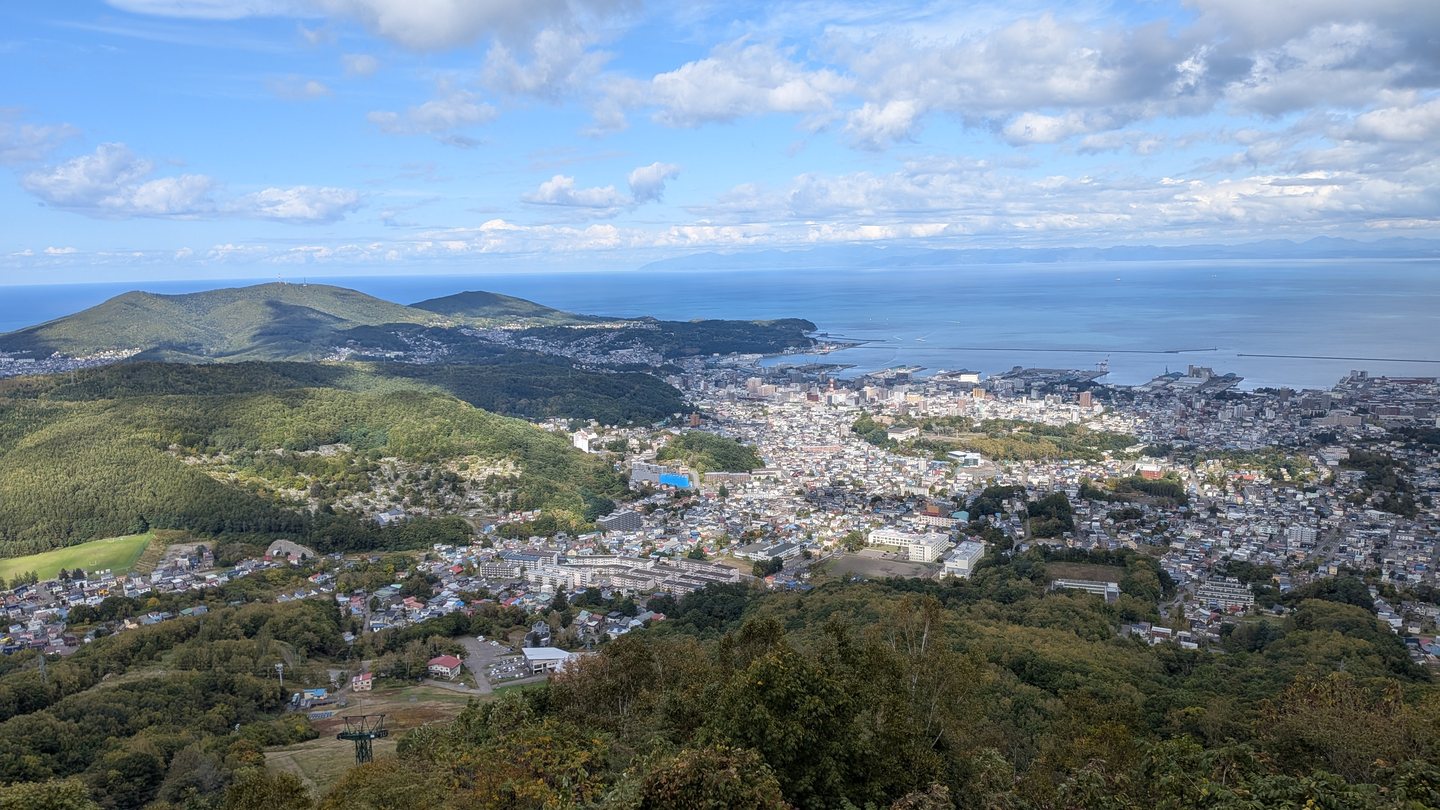
- 2027 in Japan, twice: early March to late May (spring skiing, then Hokkaido's late cherry blossoms) and mid-September to October, arriving by cruise ship for autumn at the property. 130 days in all.
- Summer 2027: Thailand in its late-May–June shoulder season, then Malaysia, then the cruise north to Japan.
- Winter 2027–28: Thailand in November and December, then Vietnam through January.
- 2028: back at the property in early February for six weeks of peak ski season, Taiwan, Thailand and Korea in spring, then Hokkaido again for July and August.
- The rule that shapes everything: Japan lets American visitors stay up to 90 days at a time and expects no more than about 180 days in any 12 months. Our busiest 12-month stretch (September 2027 to September 2028) comes to 163 days, so we keep a margin.
This is why we built EE VisaDays. It's an Android app that counts your days against each country's limit and shows how many you have left, with warnings for patterns like Japan's 12-month total. It's in closed testing and we're looking for testers: email info@theengineeredescape.com and we'll add you, or read more about the app.
The year at a glance
Four Japan stays at least three months apart, Thailand in its shoulder seasons, and the cruise bringing us back to Hokkaido for autumn 2027.
Our calendar
Every stop fits inside that country's limit with room to spare, and our Japan stays are at least three months apart. Dates are targets; the cruise schedule will pin down the exact days.
2027
| Dates | Where | Days | How we get in (US passports) | Why then |
|---|---|---|---|---|
| Early Mar – May | Japan: our property in Hokkaido; spring skiing, then cherry blossoms | 83 | Visa-free, up to 90 days | March is great-value ski season and most Hokkaido resorts run to mid-April; Hokkaido's sakura comes after the ski season |
| Late May – early Jul | Thailand | 41 | Tourist e-visa ("TR"), 60 days | May–June is shoulder season: fewer crowds, lower prices |
| Jul – Aug | Malaysia | 57 | Visa-free, up to 90 days; online arrival card | Long visa-free stay with no paperwork |
| Early Sep | Cruise north to Japan (route TBD) | 14 | Depends on ports of call | Getting back to Japan by sea |
| Mid-Sep – Oct | Japan: autumn at the property | 47 | Visa-free, up to 90 days | Arrive by ship, settle in for autumn |
| Nov – Dec | Thailand | 50 | Tourist e-visa ("TR"), 60 days | Rains end and the cool season begins in November, before the holiday peak |
| Late Dec – Jan | Vietnam | 42 | E-visa, up to 90 days (US$25) | Holidays somewhere warm |
2028
| Dates | Where | Days | How we get in (US passports) | Why then |
|---|---|---|---|---|
| Feb – mid-Mar | Japan: at the property for ski season | 44 | Visa-free, up to 90 days | Peak powder runs into mid-February |
| Mid-Mar – mid-Apr | Taiwan | 31 | Visa-free, up to 90 days; online arrival card | Mild spring weather |
| Mid-Apr – early Jun | Thailand | 56 | Tourist e-visa ("TR"), 60 days | Shoulder season again |
| Mid-Jun – Jun | South Korea | 20 | Visa-free, up to 90 days; K-ETA online | Short stop on the way back north |
| Jul – early Sep | Japan: Hokkaido summer | 72 | Visa-free, up to 90 days | Hokkaido's cool summer |
| From mid-Sep | To be planned |
Why the ski stay is only six weeks. Japan counts the 12 months before each departure. Leaving in mid-September 2028 means looking back to September 2027, which catches our autumn 2027 stay, the ski stay and the summer stay: 47 + 44 + 72 = 163 days. Every extra day in one of those stays has to come off another to stay well under 180.
- Autumn 2027: 47 days
- Ski stay 2028: 44 days
- Summer 2028: 72 days
- Cushion: 17 days
How the visa loop works, in plain English
Americans can visit most of Asia as tourists without applying for a visa. You land, the officer stamps you in for a set number of days, and you leave before that runs out. We simply line those visits up back to back.
- Owning property in Japan doesn't change the rules. Japan's immigration system ignores property ownership, so at our own place in Hokkaido we're visitors like anyone else.
- Japan gives us 90 days per visit. Up to 90 days visa-free for sightseeing and visiting, and it can't normally be extended. Our longest stay is 83 days.
- Japan also watches the yearly total. Its embassies describe a cap of 180 days as a visitor in any 12-month period, counted back from each departure. Our worst 12-month stretch is 163 days.
- Arriving by cruise ship counts like arriving by plane. The day we're stamped into Japan off the ship is day 1 of that stay.
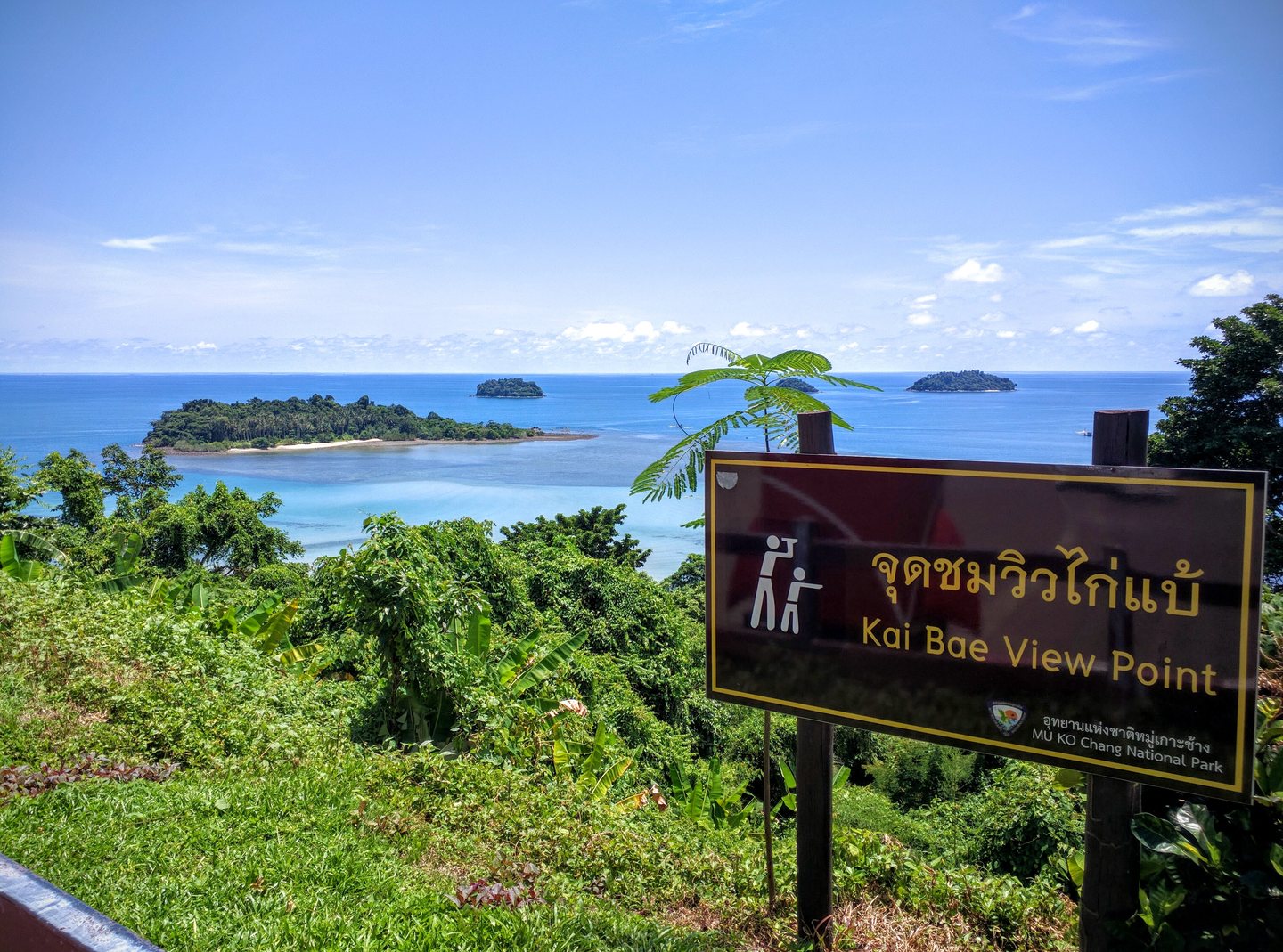
- Each other country has its own clock. Malaysia, Taiwan and Korea give Americans 90 days; Vietnam needs a 90-day e-visa; Thailand now gives only 30 visa-free, so we'll get a 60-day tourist e-visa before each Thailand stay.
- Long gaps make it look like what it is: travel. We're out of Japan for at least three months between stays, and we don't do quick "out and back" hops, which are what draw questions at the border.
Thailand's rules just changed. On September 15, 2026, Thailand cut visa-free stays for Americans from 60 to 30 days and limited land-border entries to two a year. You can apply in Thailand to extend by 30 days, but that's at the officer's discretion. The TR tourist e-visa gives 60 days from arrival, so we know where we stand before we fly.
Why we count every day
The stakes are lopsided: staying one day too long saves us nothing, but it could cost us years of access to our own property in Japan. So we treat every limit as a hard line and build in a cushion.
- Overstaying is breaking the law. Penalties run from fines to deportation and bans. In Vietnam, for example, overstaying more than 15 days can mean deportation and up to a three-year ban.
- You can be refused even when you're technically legal. Border officers decide whether you're really visiting. In 2026 a Hong Kong couple who kept staying Japan's full 90 days was turned away, reportedly facing a roughly five-year bar. That's the scenario we're designing around, since it would lock us out of our own home.
- Rolling windows trip people up. Japan's 12 months aren't January to December; they look back from each departure. That's why our 2028 ski stay is shorter than we'd like: autumn 2027, winter 2028 and summer 2028 all fall inside the same 12 months.
- Japan will start screening before we fly. Its JESTA pre-travel authorization is due in fiscal 2028 (April 2028–March 2029), so our travel pattern will be visible before we even board.
- Too many days can make us tax residents. Thailand treats 180+ days in a calendar year as tax residence; our 91 days in 2027 stays well clear. Japan looks at whether it's your main home ("jusho") or a year-plus stay. Our legal residence stays in the US, which keeps our home base clearly there.
How we're keeping it safe
Most of the work is a little admin before each leg. Our running list:
- Confirm the cruise's arrival port and date in Japan; the day we're stamped in off the ship starts the autumn stay
- Ask the cruise line whether any earlier stops are in Japan, since those days could count too
- Keep a day log of every entry and exit date, and check Japan's 12-month total before each trip there
- Apply for the Thai TR e-visa at thaievisa.go.th a few weeks before each Thailand leg (May 2027, Nov 2027, Apr 2028)
- Apply for Vietnam's e-visa on the official site about two weeks before late December 2027
- Apply for Korea's K-ETA before June 2028; the free waiver ends December 31, 2026 unless Korea extends it
- Fill in each online arrival card a few days before landing (Malaysia, Taiwan, Thailand)
- Always hold a booked flight (or cruise) out of each country before we arrive
- Buy international health insurance with evacuation cover for both of us; Medicare generally doesn't cover care abroad
- Recheck each country's rules 2–4 weeks before every leg (Thailand changed with two weeks' notice)
- Book February 2028 ski lodging early if we're skiing away from the property; Niseko-area places book out months ahead
- One session with a US–Japan tax adviser before we leave
Come visit
We'd love company, and most of you can visit the same places we can on a US passport with no visa.
| If you like | Join us | Where |
|---|---|---|
| Spring skiing, then cherry blossoms | March to late May 2027 | Our property in Hokkaido |
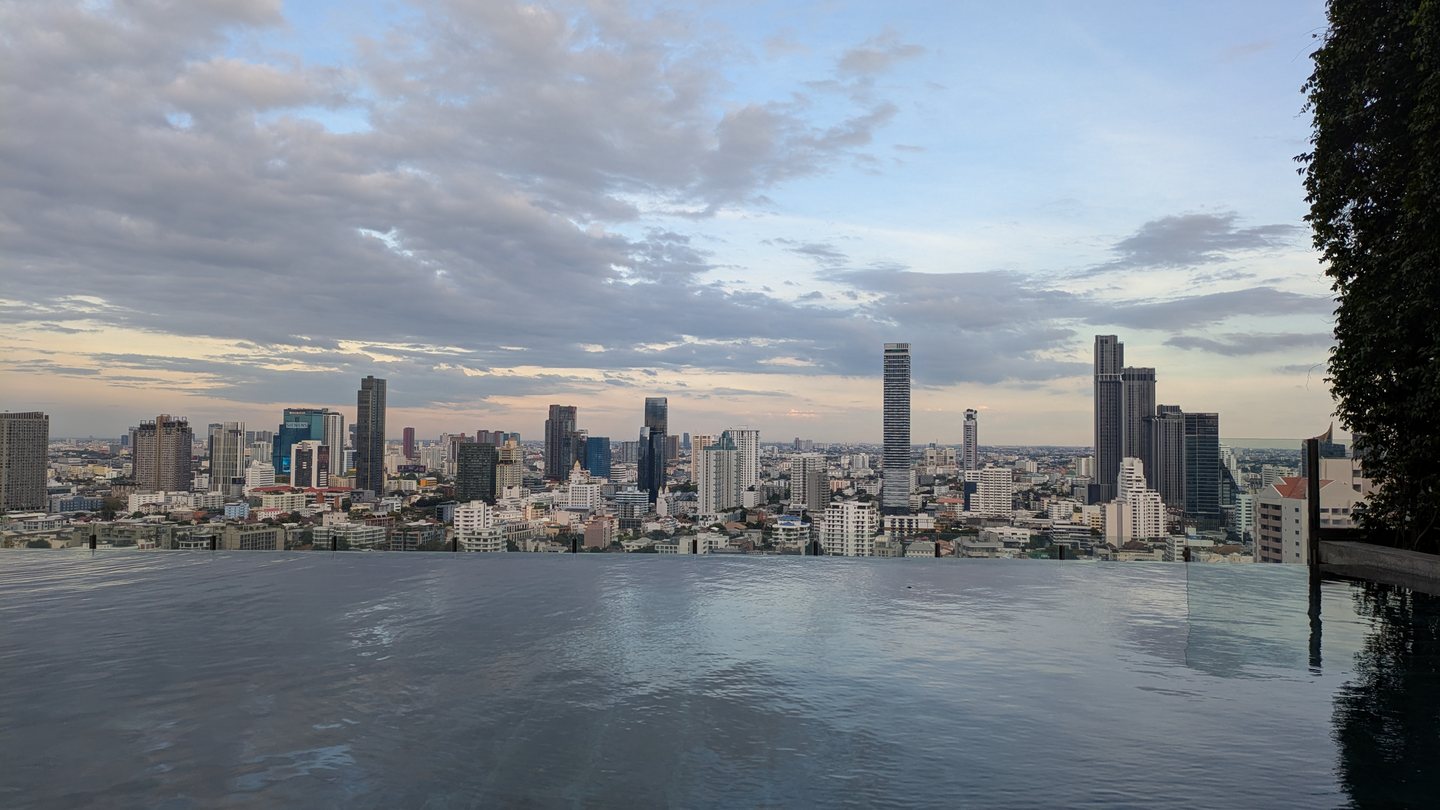
| Beaches, temples, street food | June 2027, Nov–Dec 2027, or late Apr–early Jun 2028 | Thailand |
| Food and city life | July–August 2027 | Malaysia |
| Autumn in the countryside | Late September–October 2027 | Our property in Hokkaido |
| Holidays somewhere warm | Late December 2027–January 2028 | Vietnam |
| Deep powder skiing | February to mid-March 2028 | Our property in Hokkaido |
| Cool summer, hiking, food | July–August 2028 | Our property in Hokkaido |
One note for guests: book your own onward flight and fill in the arrival forms we mention above. The rules apply to you too.
Sources
- Embassy of Japan, Seattle: visa exemption for US citizens
- Embassy of Japan in Sweden: 180 days per 12 months as a visitor
- Akiya Japan: property ownership and visas
- The Standard (Hong Kong): couple refused entry to Japan
- Your Mileage May Vary: JESTA timeline
- VisasNews: Thailand's rules from Sept 15, 2026 and extensions vs. the TR e-visa
- Korean Consulate General in New York: K-ETA waiver
- Vietnam Tourism: e-visa for US citizens · InCorp Vietnam: overstay penalties
- iVisa: Taiwan for US citizens · Visa Info Guide: Malaysia
- The Thaiger: Thailand's 180-day tax rule · PwC: Japan tax residence
- AARP: Medicare outside the US
- Seasons: Ski.com: Japan ski season, TripToJapan: when to ski, Ski Japan: Niseko by month, Wise: Thailand by month, Celebrity Cruises: Thailand seasons
Rules checked October 2026. This is our plan, not legal or tax advice.
This is why we built EE VisaDays. It's an Android app that counts your days against each country's limit and shows how many you have left, with warnings for patterns like Japan's 12-month total. It's in closed testing and we're looking for testers: email info@theengineeredescape.com and we'll add you, or read more about the app.