This post contains affiliate links. If you purchase through our links, we may earn a commission at no additional cost to you.
Most people think of a cruise as a vacation. We think of ours as transportation.
On this page 8 sections
Cruise ships do something airlines can't: they combine lodging, transportation, food, and entertainment into a single fare. When you're not tied to a two-week PTO calendar, that combination stops being a novelty and starts being a genuinely competitive way to get from one continent to another — not just a fun add-on to a trip.
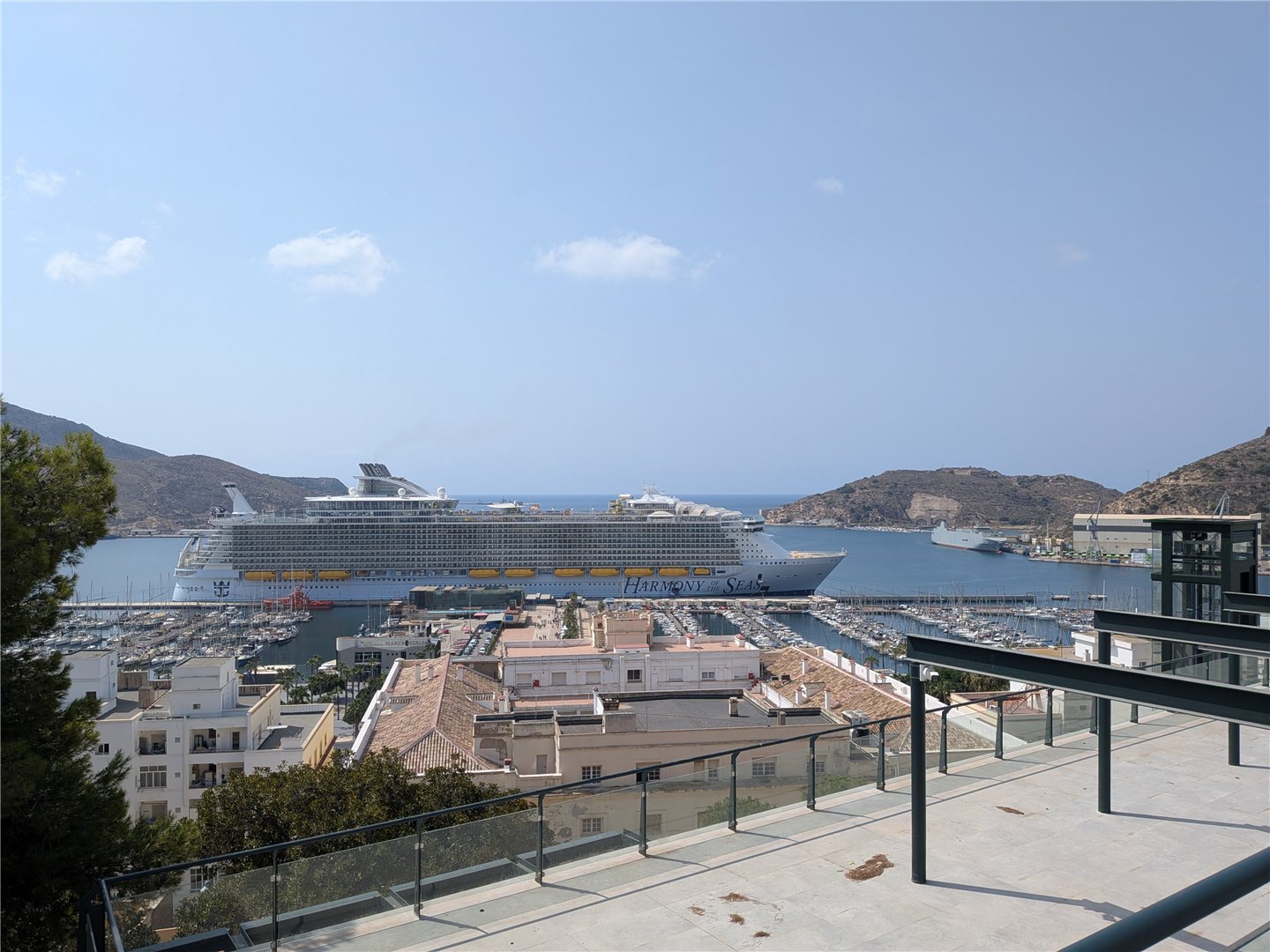
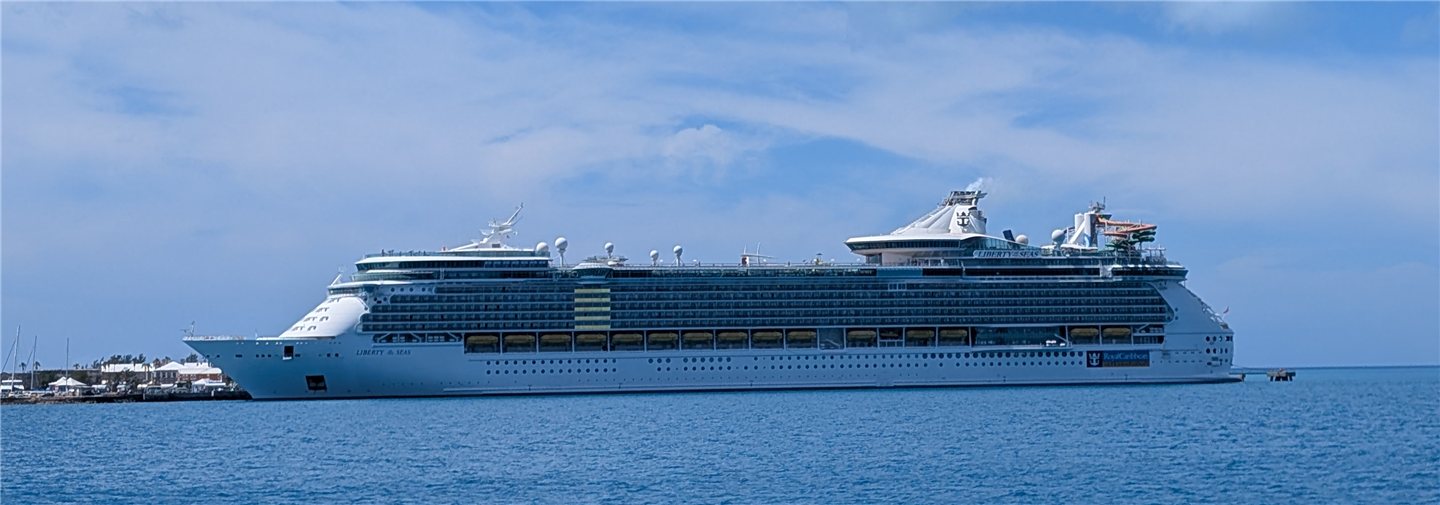
We've spent over 100 days on cruise ships this year alone, as of the end of August. We crossed to Europe on Liberty of the Seas and came back in July on Harmony of the Seas. Next fall, we're doing it again: a repositioning cruise from Seattle to Tokyo on Royal Caribbean's Quantum of the Seas, leaving in late September 2027 and arriving in mid-October 2027. It's a 14-night crossing. Here's how we think about it, what it actually costs compared to flying, and what nobody tells you about the downsides.
What a Repositioning Cruise Actually Is
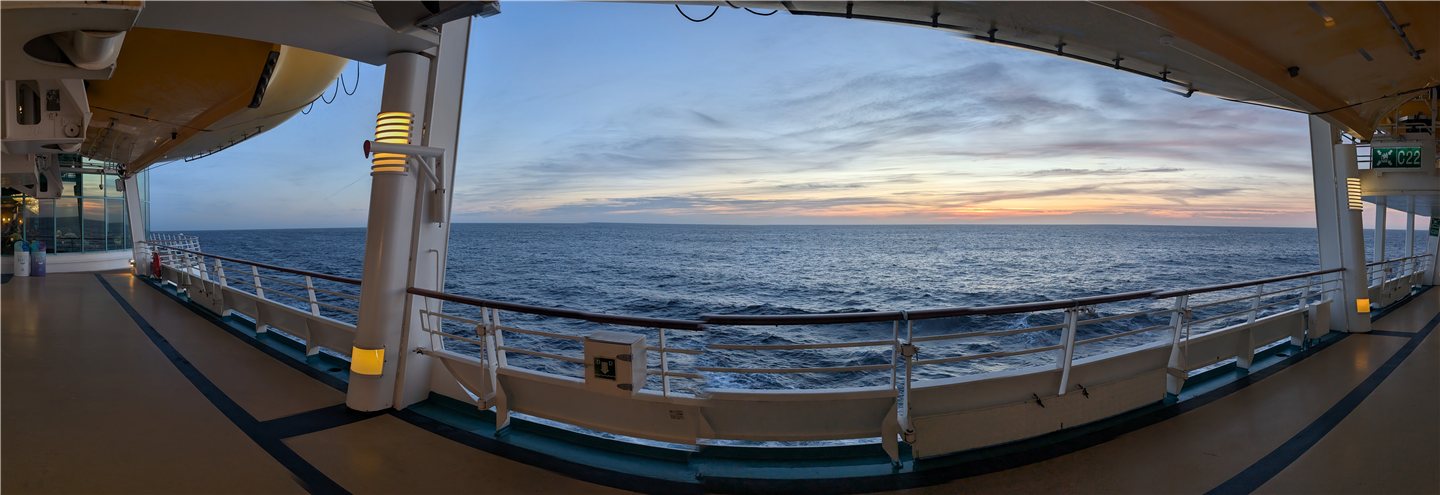
Cruise lines move their ships seasonally to chase good weather and demand — Caribbean in the winter, Mediterranean in the summer, Alaska and Asia in between. To get a ship from one region to the next, they run a "repositioning cruise": a one-way sailing, often 12-14 days, that crosses an ocean instead of looping back to where it started.
These aren't polished, port-a-day itineraries. A repositioning crossing typically has 7-8 days at sea in a row, with a handful of port stops clustered near departure and arrival. On our Europe crossings, most of the stops were along the west coast of Spain heading in, and the east coast of Spain heading out — quick taste tests of a region, not a full tour.
That's the trade you're making: fewer ports, more sea days, one-way instead of round trip. If you're chasing a packed itinerary, this isn't it. If you're trying to get somewhere, it's exactly it.
The Math — Seattle to Japan
For our Seattle-to-Japan crossing on Quantum of the Seas, here's what we're looking at:
| Cruise, one-way (per couple) | Flying, one-way (per person) | |
|---|---|---|
| Interior / Coach | $2,280 cabin | ~$800 |
| Balcony / Premium economy | $2,670 cabin | ~$1,316 |
| Gratuities | $18.50/day per person ($37/day per couple) for 14 days: ~$259 per person, ~$518 per couple | — |
| Per person, all-in | ~$1,400–$1,595 | ~$800–$1,316 |
That works out to roughly $1,140–$1,335 per person before gratuities, or about $1,400–$1,595 per person all-in with gratuities. The cruise, gratuities included, lands close to premium economy pricing — but for that money you get 14 nights of lodging, all your meals, and nightly entertainment, instead of 11 hours in a seat and a $50 checked bag fee on top of your fare.
We're not saying the ship is always cheaper. It isn't, if you only count the ticket price. But once you account for what you'd otherwise spend on lodging and food during those two weeks, the comparison shifts a lot further in the ship's favor — especially if those two weeks would've been spent somewhere expensive anyway.
Why Slow Travel Makes This Work
The math above only makes sense if you don't need those two weeks for anything else. When you're not working a 9-to-5, there's no reason to rush a trip into a one- or two-week window. Two weeks at sea isn't dead time — it's time that would otherwise be spent in lodging somewhere else in the world anyway. The ship just happens to be the lodging, and it's moving you toward your next destination while you use it.
We'll admit that younger versions of ourselves — used to schedules, deadlines, and moving from one thing to the next — probably would have found 7-8 days at sea maddening. These days it's just another few days in a hotel in a new place. There are dinners to go to, entertainment most evenings, and plenty of quiet time to catch up on cost accounting and plan the next leg of travel.
A balcony cabin is nice for this — sit outside with a coffee, watch the ocean, keep track of the days. An interior cabin has its own appeal: no windows means no idea what time it is, so you sleep and wake whenever your body wants to. Neither is wrong. It depends on whether you want to feel time passing or not.
Turning the Crossing Into Points
We pay for these cruises with our Chase credit cards, which means the crossing itself earns points we can later redeem for hotel stays elsewhere. We haven't found the cruise line's own branded credit cards to be worth it — the earning rates and perks don't come close to what a flexible travel rewards card gives you, and a flexible card lets you redeem the points anywhere, not just on another cruise.
So the fare isn't just a fare. It's 14 nights of points-earning spend that turns into a future hotel stay somewhere down the line.
Where to Actually Find These Cruises
Repositioning cruises aren't always front and center on a cruise line's own site, since they're a scheduling byproduct rather than a marketed itinerary. Two resources we use:
- VacationsToGo.com — regularly lists discounted rooms specifically for transatlantic and transpacific repositioning cruises.
- CruiseCompete.com — submit the cruise you're looking at and multiple travel agents send back competing offers, most including onboard credit.
One thing that hasn't panned out for us: casino comp offers. At least with Royal Caribbean, the casino deals we get rarely apply to cruises over 7 days, which rules out most repositioning crossings. When we do have a cash-value offer, we can sometimes apply it to reduce the cost, but longer trips rarely show up in what we're offered in the first place. We'll cover loyalty programs and casino angles in more depth in a follow-up post.
The Downsides Nobody Mentions
This wouldn't be a fair post if we only covered the upside. A few things worth knowing before you book a long crossing:
Health is a real consideration. Every ocean crossing we've done has had at least one, sometimes two, medical emergencies serious enough to require the person be airlifted or taken off the ship by boat. On one return crossing, the ship diverted at full speed for two days to meet a rescue boat about 100 miles offshore — meaning whoever was ill needed care the ship couldn't provide for at least two days before reaching it. If you're not in good health, a multi-day crossing far from shore is not the place to find that out.
Travel insurance matters more here than on a typical trip. We use SafetyWing, which has limited coverage for the cost of the trip itself but covers costs from something going wrong and medical evacuation if needed (check their site for current details, since coverage changes). Insurance sold through the cruise line may separately cover the cost of the cruise itself if it's cancelled or cut short — worth understanding the difference before you buy either one.
Schedules can and do get cancelled. Cruise lines set itineraries years out, and they will rework them. We had a Japan-to-Los-Angeles crossing booked for next spring on Navigator of the Seas. Royal Caribbean recently realigned their Asia schedule and cancelled that sailing outright. We're now sourcing flights and hotels for the two weeks we'd planned to spend on the ship. If your entire trip depends on one repositioning sailing a year or more out, have a backup plan.
The Bottom Line
A repositioning cruise isn't a replacement for flying in every situation. If you need to be somewhere fast, fly. But if your schedule is flexible, your health is good, and you're willing to trade a packed itinerary for 7-8 days at sea, a repositioning crossing can cost about the same as premium economy airfare — while including your lodging, food, and entertainment for the trip.
For us, it's not a splurge. It's just how we get from one side of the world to the other while staying in points-earning, slow-travel mode. Book through a site that surfaces these sailings, buy real travel insurance, understand that plans can change on the cruise line's schedule and not just yours, and go in knowing the ocean doesn't care how healthy you feel that week.
We'll cover the loyalty program and casino side of cruise travel — and how to use it to fill schedule gaps cheaply — in a future post.
Repositioning cruise questions
What is a repositioning cruise?+
A one-way sailing, often 12-14 days, that a cruise line runs to move a ship from one region to another as it chases seasonal demand: Caribbean in winter, Mediterranean in summer, Alaska and Asia in between. It typically has 7-8 days at sea in a row with a handful of port stops clustered near departure and arrival, rather than a port-a-day itinerary.
How long is a repositioning cruise?+
The ones we've taken and priced are about 12 to 14 days, with 7 or 8 of those days at sea in a row. Lengths vary by route and cruise line, so check the specific sailing.
Is a repositioning cruise cheaper than flying?+
Not always on ticket price alone, but it can be competitive with premium economy airfare once gratuities are included, and the fare covers about 14 nights of lodging, meals and entertainment instead of just a seat. On a Seattle-to-Japan crossing, an interior cabin plus gratuities ran close to the price of a premium economy plane ticket for the same route.
Where can I find repositioning cruises?+
They're not usually front and center on a cruise line's own site, since they're a scheduling byproduct rather than a marketed itinerary. VacationsToGo.com regularly lists discounted rooms for transatlantic and transpacific repositioning cruises, and CruiseCompete.com lets you submit a cruise and get competing offers back from travel agents, often including onboard credit.
What are the downsides of a repositioning cruise?+
Fewer ports and more sea days, a one-way trip, health risks far from shore (serious illness can mean a long diversion or an airlift), the need for real travel insurance, and the chance that a cruise line cancels or reworks a sailing. We had a Japan-to-Los Angeles crossing cancelled when Royal Caribbean realigned its Asia schedule, so have a backup plan.